
Basics of Drug Designing
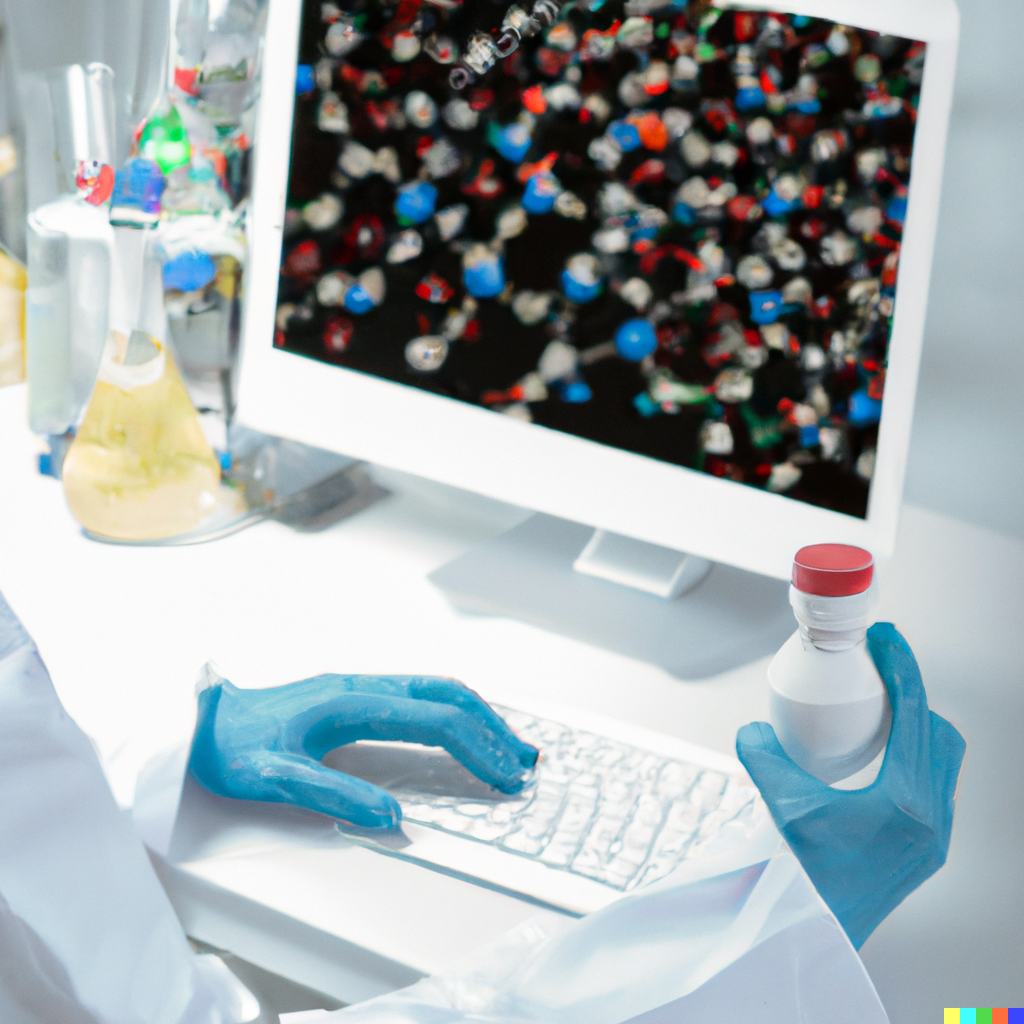
Drug design is the process of using computational methods and technologies to identify and develop new drugs that can be used to treat various diseases. This process involves several steps, and multiple tools and resources are used to facilitate and improve the efficiency of drug design.
One of the first steps in drug design is identifying a target protein or molecule involved in the disease process. This can be done using databases such as the National Center for Biotechnology Information (NCBI) and the Universal Protein Resource (UniProt), which contain information on the structures and functions of proteins.
Once a target protein has been identified, the next step is to search for potential drugs that can bind to and modulate the activity of the protein. This can be done using tools such as the Basic Local Alignment Search Tool (BLAST) and the Protein Data Bank (PDB), which contain information on the structures of proteins and small molecules.
Once potential drug candidates have been identified, the next step is to evaluate their binding ability to the target protein. This is typically done using computational techniques such as molecular docking, which predicts the interactions between the drug and the protein. Molecular docking simulations can help identify the drug’s and the protein’s best binding conformation and evaluate the strength of the binding interactions.
After the binding interactions between the drug and the protein have been evaluated, the next step is to assess the drug’s potential effectiveness in modulating the protein’s activity. This is typically done using molecular dynamics simulations, which can help predict the drug’s effects on the protein’s structure and function.
Finally, once the potential effectiveness of the drug has been evaluated, the next step is to conduct experimental studies to validate the predictions made by the computational models. This can involve in vitro and in vivo studies, which can help to confirm the ability of the drug to bind to and modulate the activity of the target protein.
Overall, the use of computational tools and resources such as NCBI, BLAST, UniProt, PDB, molecular docking, and simulation can greatly facilitate and improve the efficiency of the drug design process. These tools and resources can help researchers to identify potential drug candidates and to evaluate their potential effectiveness in modulating the activity of target proteins.